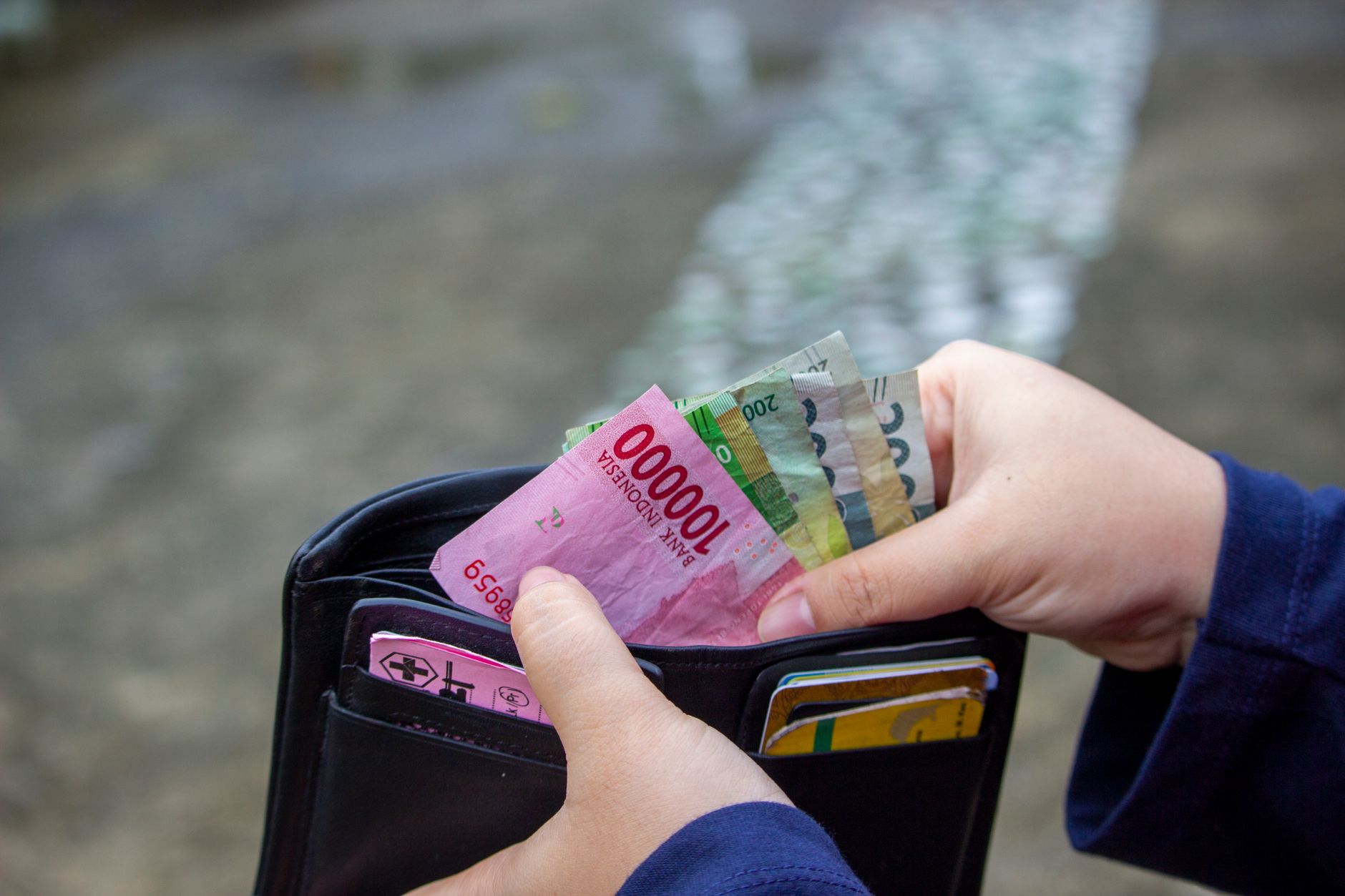
A friend of mine snagged a flight to Portugal last year for just $47. She wasn’t saving for months, either. All she did was open the right credit card about six weeks earlier.
Figuring out how to get money to travel is more about strategy than income. Most folks qualify for tools that can cover a big chunk of travel expenses—they just may not know which ones to tap into first. Solo trips can run anywhere between $1,500 and $3,000, depending on where you’re heading and how long you stay. That sounds steep until you break down how much you can offset even before booking anything.
Here’s what’s actually worked for me, listed by impact. Some methods take a few days to set up, but none require quitting your job or selling off your stuff.
Earn While Traveling
Remote work is a straightforward option. The Bureau of Labor Statistics reported a median remote worker salary of about $58,000 in 2023. That might seem average until you factor in geographic arbitrage. Earning in USD while living in Southeast Asia means you could spend only $30 to $50 a day on accommodation, food, and transport combined. That amounts to $900 to $1,500 a month on living expenses, which is way less than what most pay at home.
If you don’t have a remote gig yet, the route is more focused than just “find a freelance job.” The skills that land you jobs quickly include copywriting, web development, bookkeeping, and customer support. I’d recommend picking one skill, crafting a couple of solid samples, and pitching directly to small businesses instead of starting on marketplace platforms. Those can be slow and often drive down rates.
Volunteer exchange programs are another route. Workaway and WWOOF connect travelers with hosts offering free accommodation and sometimes meals in exchange for four to five hours of daily work. Workaway membership runs about $49 per year for solo travelers, while WWOOF varies by country, typically between $30 and $65. You won’t earn cash, but staying for free in a place you’d normally pay around $40 a night for can really add up over a month.
Cut Costs Before Traveling
Travel credit card sign-up bonuses are among the quickest legal methods to offset airfare costs. Most major travel cards offer bonuses that can be worth $500 to $1,000 in tickets if you meet a minimum spending amount—usually $3,000 within the first three months. If your regular monthly spending is close to that, you’re not actually spending more—you’re just shifting it to a different card.
Travel hacking this way usually outperforms traditional saving by a landslide for many people. For example, saving $500 at $100 a month takes five months, while meeting a card’s spend requirement takes three months. Plus, the rewards arrive as points instead of money sitting idle in an account. One downside, though: This only works if you pay your balance in full. Carrying a balance can wipe out any point value pretty quickly.
House-sitting is another huge cost saver before you travel. TrustedHousesitters charges $129 per year for a membership. In return, you can access free accommodation while looking after someone’s home and pets. There are listings in places like France, New Zealand, and Mexico. It’s not always glamorous; some locations are remote, and some pets can be quite demanding. Still, free is free, and cramming $129 into a year of house-sits totals almost nothing per night.
Here are a few other things worth cutting early:
- Book flights 6 to 8 weeks in advance for domestic, 2 to 5 months for international
- Use a no-foreign-transaction-fee debit card (usually Schwab or Wise)
- Travel during the shoulder season—late September in Europe, May in Southeast Asia—and expect to pay 20% to 40% less on accommodations.
Real Ways to Fund Your First Trip
Stacking these methods matters more than finding one perfect solution. For instance, opening a travel card (worth about $600), joining TrustedHousesitters ($129), and picking up just one remote freelance gig can cover most of a three-week trip without even packing your bags. That’s not just theoretical; it’s a pattern I’ve seen work for people with no prior travel experience and no dedicated savings.
When it comes to the cash you will need, the quickest approach is setting a short-term savings target tied to a specific trip. Knowing you need around $1,800 for a two-week trip to Thailand is way more actionable than just saying, “save more money.” Set that as your hard number, automate a transfer the day after payday, and let it be. Save $300 a month for six months, and you’re set. You’ll need less if a card bonus lands in between.
How to get money to travel doesn’t mean you have to redesign your life completely. You can choose two or three of these methods, run them together, and stay realistic about the timeline. Most first trips can be funded in six months from scratch; some folks even do it in just eight weeks. It really depends on what you’re willing to set up.
FAQs
Can I get paid to travel with no experience?
Absolutely. Workaway and WWOOF host beginners—experience in the host’s specific skill isn’t a must. You’re trading time for accommodation, not credentials.
How much money do I need saved before traveling?
For a solo trip, aim for $1,500 to $3,000 based on your destination. Southeast Asia is generally cheaper than Europe by about half.
What jobs pay you to travel?
Remote roles in writing, development, and customer support are usually the most accessible options. Flight attendant and cruise ship jobs work too, but their hiring processes are longer.

2 Comments