Hosting your first dinner party really hinges on one surprising detail: you should start with your table, not your recipes. Most newcomers do the opposite. They choose a dish and then scramble to figure out seating, drinks, and timing last minute. That scramble is often where things can go sideways.
When I first thought about guest numbers, I was taken aback: six to eight guests is the right range, according to many seasoned hosts. If you have fewer than six, it could feel awkward if someone goes quiet. On the flip side, more than eight can overwhelm a home kitchen struggling to serve everyone hot food at once. Eight is generally the limit for a standard oven and one cook without needing extra help.
Now, let’s talk budget. From what I’ve seen, $25 to $35 per head will typically cover a solid three-course meal, including drinks, as long as you’re not splurging on premium wine or fancy ingredients. For eight guests, that adds up to about $200 to $280 total, which might seem steep until you compare it to taking the same group out to a mid-range restaurant.
Set Guest Count and Date First
Before diving into food choices, confirm who’s coming and pin down a date. Aim for six to eight people. This size fosters conversation and keeps your grocery list manageable. Once you know who’s in, plan your drinks budget using the guideline of 1.5 drinks per guest per hour. For a two-hour dinner with eight folks, you’re looking at around 24 drinks, so two bottles of wine plus some beers and a non-alcoholic drink usually covers it well.
If possible, pick a Saturday. Guests are typically less stressed, and you get Friday evening to prepare. Send out invites at least ten days ahead, but two weeks is even better. People’s calendars fill up fast, and a last-minute invite can come off as an afterthought.
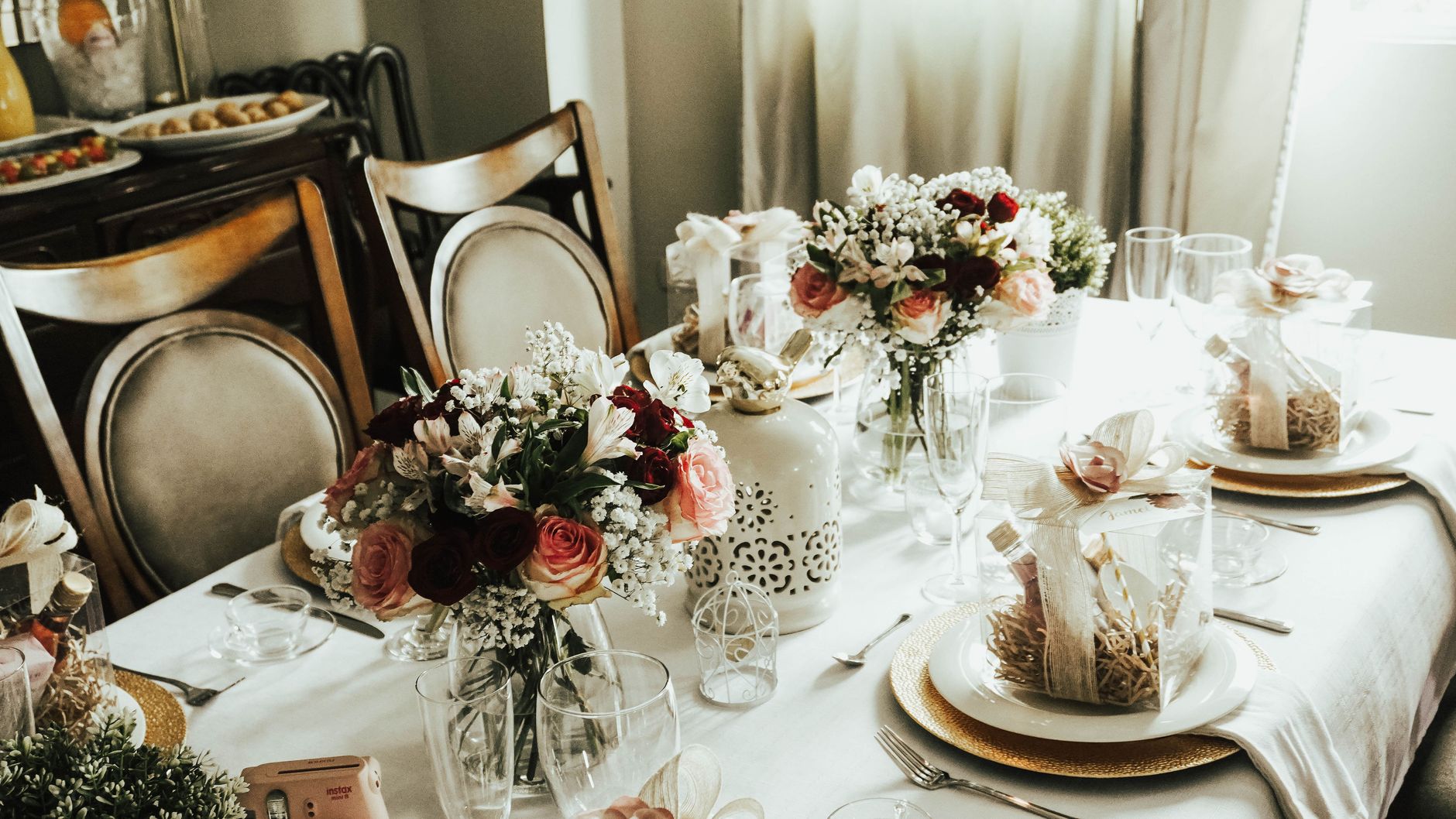
One tip many guides skip: set your table 24 hours before the party. Physically arranging plates, glasses, and cutlery the night before surprisingly eases a lot of stress. You’ll likely catch a missing salad fork or a candle that’s too tall for a good chat, giving you time to fix it.
Menu Based on Your Skills
A structure of starter, main, and dessert works perfectly for a first party. Three courses feel complete but don’t overwhelm either you or your guests. Resist that urge to add cheese or fancy apps. Those bells and whistles sound great in theory but can quickly become stressors as the evening rolls around.
Opt for dishes where at least two of the three can be made ahead. A cold starter, like a salad or dip with bread, a braised main (which holds heat better than pan-fried options), and a dessert that can be completed the night before are your best bets. This way, you get to enjoy chatting with your guests instead of being stuck in the kitchen.
Mise en place is key. Chop, measure, and portion everything before guests show up. Even professional kitchens rely on this method because it helps everything run smoothly. I’d suggest a complete 72-hour prep window: do your shopping on Thursday, prep on Friday, and cook and host on Saturday.
Every beginner tends to make this mistake: serving wine straight from a warm bag or a cold fridge. Most reds are best around 60 to 65°F, not warm flat temperature, which can push them over 72°F. Whites usually need to come out of the fridge just a bit before serving too. Pull reds out 20 minutes before you pour, and take whites out of the fridge about ten minutes ahead.
Checklist for the Night Before and Day Of
The night before, tackle the heavy lifting. Set the table, prep any cold starters, make dessert if it needs to set overnight, and confirm you have enough serving pieces and ice. Draft a timeline on paper: determine what goes in the oven when, what needs to rest, and when you’ll plate the starter.
On the day, keep your goal calm. Finish mise en place by early afternoon. Dress and shower at least 90 minutes before guests arrive because something always needs attention in that last window. Keep a clean kitchen towel draped over your shoulder throughout the evening; it sounds trivial, but it helps.
As guests arrive, offer a drink within two minutes. This gives them something to hold on to and signals the evening’s started. Avoid disappearing into the kitchen for long stretches during the initial hour; that’s when the party either takes off or stalls out.
Key to Hosting Success
Knowing how to host your first dinner party boils down to minimizing choices during the event. The more you’ve sorted out in the 72 hours before, the more you can be present when it matters. A great party isn’t about perfect food; it’s about a host who’s relaxed enough to laugh even if the gravy is a bit thick. Plan backwards from the table, keep the menu simple, and let the wine rest at the right temperature.
FAQs
How far in advance should I invite guests to a dinner party?
Ten to fourteen days is ideal. Less than a week risks low turnout, while more than three weeks can lead to people forgetting or treating it as tentative.
What is a good budget for a dinner party for 8 people?
Most estimates are $25 to $35 per head, which amounts to approximately $200 to $280 for eight. This should cover a three-course meal with drinks without going for specialty items.
How do I keep food warm while waiting for guests?
A low oven at 200°F will keep most mains warm. Tightly cover the dish with foil to retain moisture and check it every 15 minutes to ensure nothing dries out.